According to a recent international study, it has been revealed that a staggering 80% of South African school children face difficulties in reading by the age of ten. The Progress in International Reading Literacy Study, which examined the reading abilities of 400,000 students worldwide in 2021, ranked South Africa last out of the 57 countries assessed. Disturbingly, illiteracy rates among South African children have risen from 78% in 2016 to an alarming 81%.
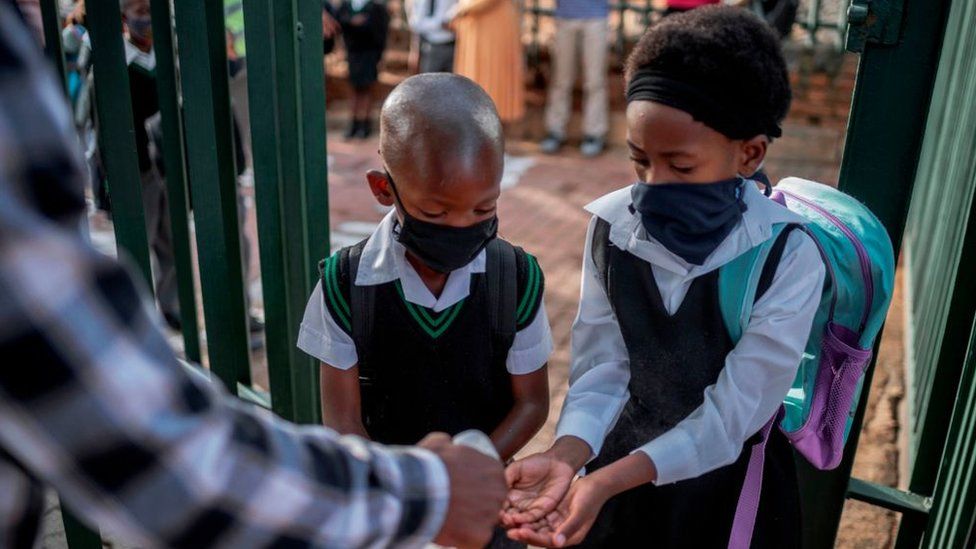
Angie Motshekga, the country’s education minister, attributed these disappointing results to the closure of schools during the Covid-19 pandemic. She acknowledged the existence of significant historical challenges within the education system, such as poverty, inequality, and inadequate infrastructure. Motshekga expressed her concern that many primary schools prioritize oral performance in reading instruction, neglecting crucial aspects like reading comprehension and interpreting written words.
The study further revealed a disheartening fact that a staggering 81% of South African children were unable to read and comprehend any of the country’s 11 official languages. In terms of participating African countries, South Africa, along with Morocco and Egypt, were the only three nations involved in monitoring literacy and reading comprehension trends among nine- and ten-year-olds.
The study assigns countries positions in a global education league table based on assessments conducted every five years at the end of the academic year. Singapore emerged as the leader in the rankings, boasting an average score of 587. Conversely, South Africa found itself at the bottom of the list with a meager 288 points, even below Egypt’s second-to-last score of 378. These scores are benchmarked against an international average of 500.
Additionally, the study indicated that overall, girls outperformed boys in reading achievement across most assessed countries. However, the gender gap has shown signs of narrowing in recent testing rounds.
South Africa’s struggles with its education system have deep roots, with the legacy of apartheid contributing to significant disparities between black and white students. Education constitutes one of the government’s largest budget expenses, making poor performance in studies like this a source of disappointment.
The crisis is further exacerbated by a lack of suitable reading materials and inadequate school infrastructure, including issues such as the availability of toilets. These factors have collectively contributed to the challenges faced by South Africa in its education landscape.