
The era of the corporate suit is fading, and a new generation of business leaders is proving that style and boardroom success can go hand in hand. At the forefront of this movement is Danny Tong.
For decades, the image of a corporate chairman was almost identical across every boardroom, a dark tailored suit, polished shoes, conservative tie, and an unmistakably formal presence. It represented authority, professionalism and success.
Today, however, the definition of executive leadership has evolved.
Across the world, billionaires and multimillionaires are rewriting the rules of corporate fashion. Leaders like Elon Musk, Mark Zuckerberg and Richard Branson have shown that commanding global businesses doesn’t require conforming to traditional dress codes. Authenticity has become the new power suit, and personal style has become an extension of leadership.
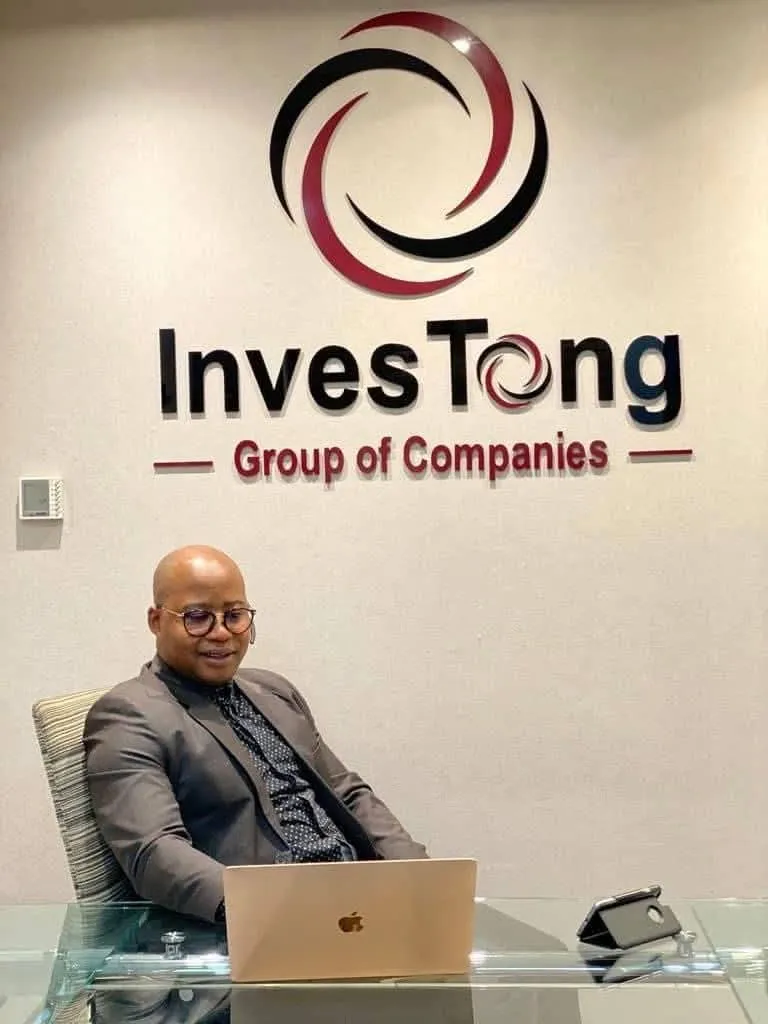
South Africa is embracing this shift, and few executives embody it quite like Danny Tong. As Chairman of one of South Africa’s leading multimillion-rand business groups, Tong has become known not only for his entrepreneurial achievements but also for his distinctive personal style. Whether he’s attending high-profile business meetings, networking with industry leaders or representing his companies at prestigious events, he consistently demonstrates that executive presence is about confidence, not conformity.
His wardrobe reflects a modern businessman who is comfortable blending luxury streetwear, premium sneakers, tailored separates and contemporary fashion into a look that feels authentic rather than manufactured. In an age dominated by Instagram, TikTok and LinkedIn, business leaders are no longer judged solely by annual reports or shareholder meetings. Millions of people now follow entrepreneurs online, taking inspiration not only from their business decisions but from their lifestyles, fashion, mindset and personalities.
The chairman is no longer hidden behind closed boardroom doors. Today’s executives are public figures, content creators, mentors and personal brands. Danny Tong understands this evolution.
His social media presence reflects the reality that successful leadership can be approachable, relatable and stylish without sacrificing professionalism. He represents a generation of executives who recognise that personal branding has become an essential business asset. Fashion has become another language of leadership.
The world’s most successful entrepreneurs are proving that authenticity creates stronger connections than rigid corporate traditions. Consumers, employees and aspiring entrepreneurs are increasingly drawn to leaders who feel genuine rather than overly polished.
Tong’s approach mirrors this global movement.
While his companies continue to grow and expand, his personal image remains refreshingly modern, showing that confidence, creativity and professionalism can comfortably coexist. This shift is particularly significant for young African entrepreneurs.
For years, success was often portrayed as fitting into a predetermined corporate mould. Today’s business landscape tells a different story. Young founders now see leaders who wear sneakers into board meetings, embrace contemporary fashion and still oversee multimillion-rand enterprises with excellence.
It’s a reminder that leadership isn’t defined by the cut of a suit but by the quality of decisions made inside it. Danny Tong represents more than a fashionable executive.
He represents a new era of African business leadership—one where innovation extends beyond products and services into culture, branding and personal identity. His style reflects confidence, his leadership reflects vision, and together they demonstrate that modern executives no longer have to choose between being taken seriously and expressing themselves. The traditional business suit will always have its place.
But as the next generation of entrepreneurs continues to emerge, leaders like Danny Tong are proving that the future of business looks a little more personal, a little more creative and considerably cooler.