
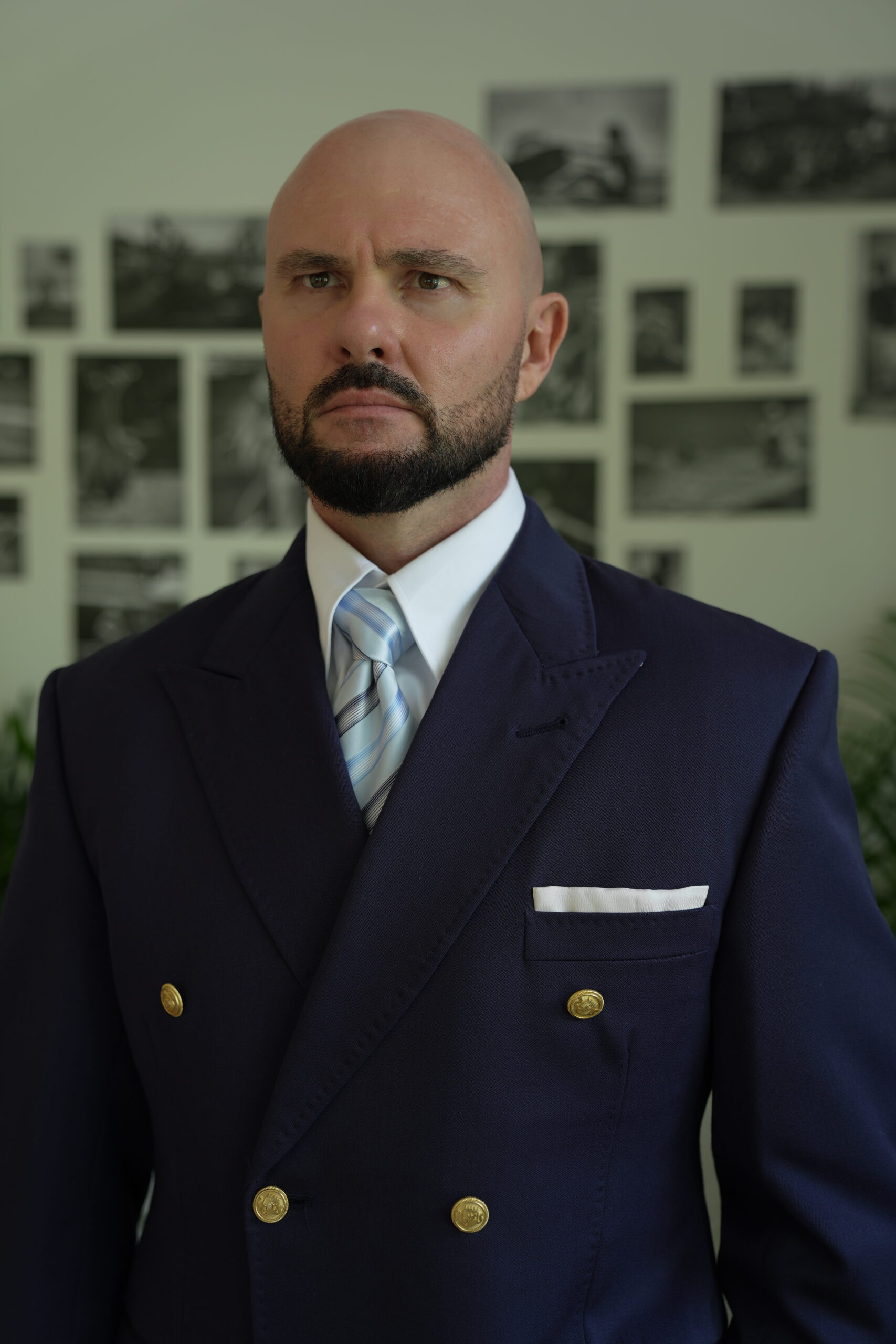
For many people, trading begins when they open a chart, identify an opportunity and place an order. However, for professional trader and development expert Justin Harrison, the real work starts much earlier.
Before a trade is placed, a trader has already made a series of decisions. They have decided how much they are prepared to risk, what they are looking for, when they will enter, when they will exit, and what they will do if the market moves against them. That preparation, Harrison believes, can be more important than the trade itself.
With more than 25 years of experience in financial markets, Harrison has built his career around a simple idea: a trader’s biggest advantage can come from the person making the decision. His philosophy is built around discipline, risk management, psychology, and the ability to make sound decisions when the outcome is uncertain.
Meanwhile, Harrison aims to help aspiring traders develop such qualities, and become more independent and professional in their approach through MoneyTribe21, the trader development ecosystem he founded.
Trading puts people in situations where emotions can quickly influence decisions. A trader can feel confident after a series of winning trades but a few losses can create frustration or fear. A sudden market movement can lead to an impulsive decision, and a trader who is desperate to recover a loss may take a position that does not fit their plan. These reactions are human, but the challenge comes in learning how to prevent them from controlling the decision.
Harrison describes trading psychology as much more than simply trying to control emotions. His view is that traders need to develop an identity and a process that allows them to make good decisions under pressure. The market exposes the habits, discipline, patience and emotional control that already exist within the trader, believes Harrison. That is why one of the central ideas behind his work is: master yourself before attempting to master the market.
“Two traders can have the exact same strategy. One follows it consistently. The other abandons it after a few losses. The difference isn’t knowledge. It’s discipline,” Harrison has previously said.
One of Harrison’s strongest views is that professional traders cannot depend on motivation, because motivation changes but standards can remain. For a trader, discipline can mean waiting for the right opportunity instead of forcing a trade. It can mean accepting a loss without immediately trying to win the money back. It can also mean walking away from the market when conditions do not fit the plan.
Harrison’s own trading rules include protecting capital first, using a stop loss, never risking money that cannot be afforded to be lost, waiting for confirmation, and avoiding the temptation to chase the market.
One of the hardest lessons for new traders is accepting that there is no certainty in the market. Harrison believes that professional trading requires a different mindset.
The trader has to make the best possible decision with the information available, while accepting that the outcome remains uncertain. For this very reason, probability becomes more important than prediction. Professionals think in probabilities, he says, because no individual trade determines long-term performance.
This way of thinking also changes how a trader responds to losses. A loss becomes part of the process rather than a personal failure. The trader can review what happened, determine whether the original decision followed the plan, and look for patterns in their behaviour. All that creates an opportunity to improve.
Harrison believes that trading can provide an unusually honest form of feedback. A trader cannot hide from the consequences of repeated decisions, just like poor risk management eventually shows itself. Similarly, impatience can lead to unnecessary trades and a lack of preparation can result in inconsistent execution.
“The markets expose your habits,” says Harrison.
This is one reason why he views trading as a powerful personal development environment, and the skills required to trade professionally have wider applications. Decision-making under pressure, accountability, patience, risk management and long-term thinking are valuable in business and life in general.
Says Harrison: “I have never believed my mission was to teach people how to trade,” adding, “My mission is to develop people who are capable of trading professionally.”
“Trading is simply the medium. The real work has always been human development,” he says.