South Africa is considering adopting more official languages to recognize individuals who have been suppressed in the country. The country’s Joint Constitutional Review Committee (JCRC) received a presentation this week on the issue of recognising Kiswahili and the Khilovedu as official languages. Co-chairperson of the committee, Professor Mathole Motshega, said that parliament had agreed to support a resolution by UNESCO to make 2022 the year of indigenous languages.
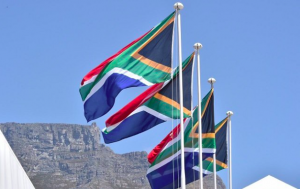
The President of South Africa acknowledged the aspirations of the people whose languages have been systematically suppressed for centuries. This shows that the international community is supportive of their efforts to regain their lost culture.
As the head of the National Assembly, I cannot be satisfied with the way the structures of this Parliament are designed to deliver on their mandate. One of the groups pushing for the inclusion of Kiswahili in the official language is the Kara Heritage Institute.
In its submission, the institute noted that the adoption of Kiswahili and Khilovedu would promote Pan Africanism and the cultural renaissance on the continent. It has also been working with other African countries to promote the language. However, a legal opinion indicated that certain factors need to be considered before the official language can be designated.
There are various issues that need to be resolved in order to restore the dignity and worth of the indigenous languages in South Africa. These include the rights of minorities, the development of new languages, and the role of these cultures in the country’s fabric.
South Africa and its sister African countries are expected to build a socially cohesive society.